Cat Care
A Better Litter Box Routine for Multi-Cat Homes
Build a cleaner, calmer litter routine for multiple cats with enough access, smart placement, monitoring, and consistent maintenance.
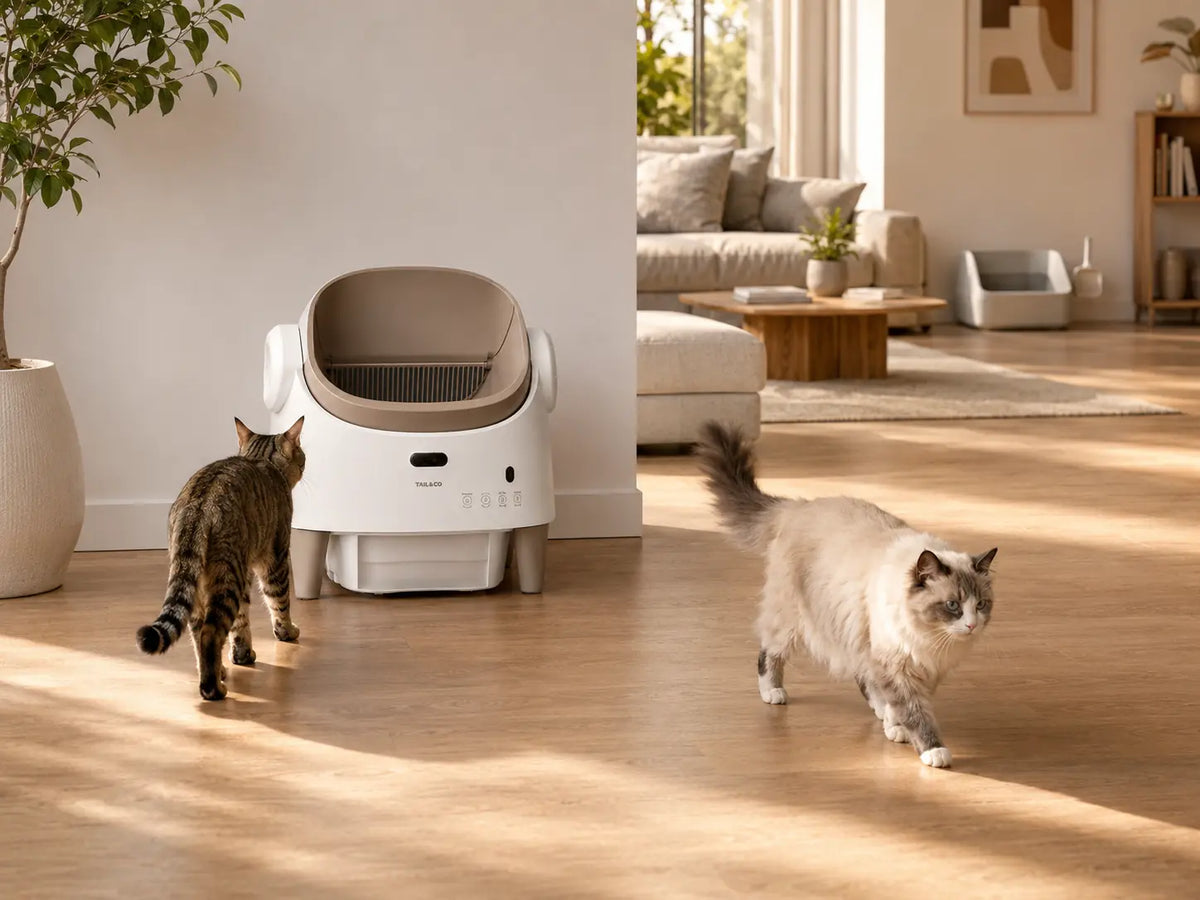
A multi-cat litter setup has to manage more visits without creating competition. Capacity helps, but access matters just as much. Cats should be able to reach a clean box without passing through conflict, noise, or a dead-end space.
Quick takeaways
- One high-capacity box may not replace multiple litter locations.
- Place boxes where cats cannot block one another.
- Check waste and litter levels more often as cat count increases.
In this guide
- Provide choice
- Spread resources through the home
- Match capacity to real usage
- Watch behavior, not only app data
- Create a maintenance rhythm
Provide choice
A common guideline is one box per cat plus one extra, though the right number depends on space, relationships, and individual preferences. Automatic units can reduce open waste, but they do not remove the need for accessible alternatives—especially during transition, cleaning, or power interruptions.
Spread resources through the home
Several boxes lined up in one room may feel like a single resource to a cautious cat. When possible, use different quiet locations with more than one approach path. Avoid narrow closets where one cat can guard the entrance.
Match capacity to real usage
Drawer-day estimates vary with number of cats, size, diet, litter, and toileting frequency. Inspect the drawer and litter bed daily at first. Your household’s actual pattern is more useful than a maximum claim.
Watch behavior, not only app data
If a product offers usage records, treat them as one source of information. Also notice who approaches, who turns away, and whether any cat waits for another to leave. Sudden changes in frequency, straining, or elimination outside the box deserve prompt veterinary attention.
Create a maintenance rhythm
Choose fixed days for deep cleaning, supply checks, and litter top-ups. Empty waste before capacity becomes a problem. Clean sensing areas and moving parts according to the manual so the automatic routine remains dependable.
Practical checklist
- Offer more than one accessible litter location.
- Avoid placing all boxes in one confined area.
- Observe each cat during the first weeks.
- Keep a backup box ready during maintenance.
- Increase inspection frequency with every additional cat.
Frequently asked questions
Can two cats share one automatic litter box?
They may, if both use it comfortably and it is maintained frequently, but an additional box gives choice and protects the routine if the unit is unavailable.
How do I know which cat is avoiding the box?
Observe traffic patterns, use temporary separation only when appropriate, and review any available usage information. Ask a veterinarian or qualified behavior professional for persistent problems.
This article provides general educational information and is not veterinary advice. Contact your veterinarian about health, nutrition, or sudden behavior changes.