Cat Care
How Self-Cleaning Litter Boxes Work: A Simple Guide
A clear, jargon-free explanation of cleaning cycles, waste drawers, sensors, litter compatibility, and routine maintenance.
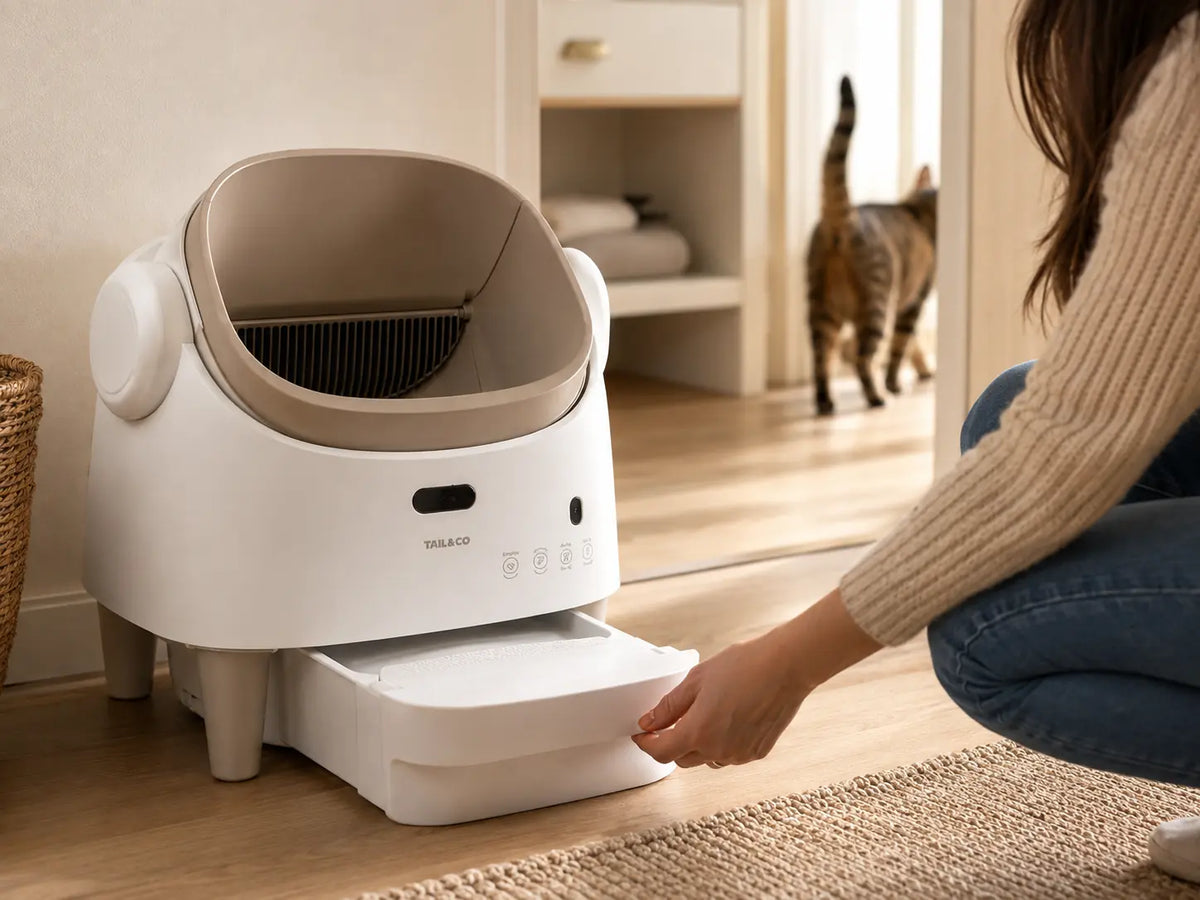
A self-cleaning litter box automates one repetitive job: separating used litter from clean litter after your cat leaves. The exact mechanism varies by model, but the basic journey is similar—detect a visit, wait until the cat is safely away, run a cleaning cycle, and move clumps into a contained waste drawer.
Quick takeaways
- The cleaning cycle should begin only after the cat has exited.
- Clean litter is returned to the bed while clumps move to a waste drawer.
- Automatic does not mean maintenance-free.
In this guide
- 1. The box detects a visit
- 2. A delay protects the routine
- 3. The cleaning mechanism separates waste
- 4. Waste stays contained between emptying
- 5. You maintain the system
1. The box detects a visit
Automatic models use built-in detection systems to recognize activity in or around the litter area. The product’s safety logic and operating guidance matter, so always follow the manual and keep sensing areas clean and unobstructed.
2. A delay protects the routine
After the cat leaves, the unit waits before moving. This delay gives the cat time to clear the area and allows clumping litter to set. If the cat returns or the system detects an interruption, a properly designed unit should respond according to its safety programming.
3. The cleaning mechanism separates waste
Depending on the design, the litter chamber may rotate, rake, or sift. Clean granules pass through a screen and return to the bed. Clumps remain separated and travel toward the waste compartment. The result is a refreshed surface for the next visit.
4. Waste stays contained between emptying
Separated clumps collect in a removable drawer or bin. A fitted liner makes disposal easier, while a closed compartment helps isolate everyday mess. Capacity varies by cat count, litter type, and usage, so treat any day estimate as a guide rather than a guarantee.
5. You maintain the system
Empty the drawer before it becomes overfilled. Level and top up litter as needed. Wipe exposed surfaces and sensing areas with products approved by the manufacturer. Periodically power down and deep-clean removable components according to the care guide.
Practical checklist
- Use only compatible litter.
- Place the unit on a firm, level surface.
- Do not block sensors or moving parts.
- Introduce your cat before enabling automatic cycles.
- Keep the manual accessible for cleaning and troubleshooting.
Frequently asked questions
Does it flush waste away?
Most consumer self-cleaning boxes collect waste in a drawer rather than connecting to plumbing. Check the specific product design before purchase.
Will it work during a power outage?
Automatic cleaning requires power. Follow the manufacturer’s instructions and keep a practical backup plan for outages.