Buying Guide
Are Automatic Litter Boxes Safe? What Cat Parents Should Know
Understand the safety features, setup checks, age and weight guidance, maintenance, and supervision that matter with automatic litter boxes.
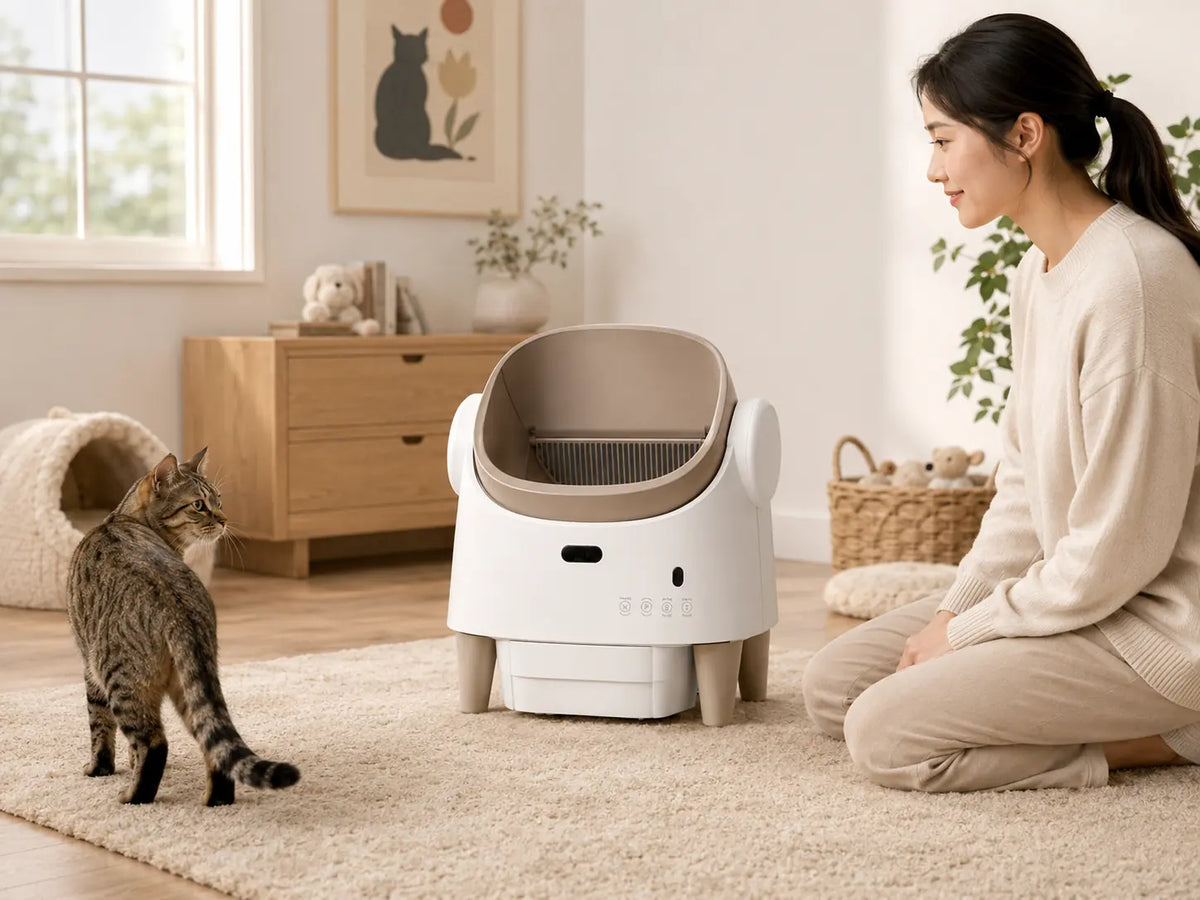
An automatic litter box combines sensors, moving parts, software, and a daily cat-care routine. Safety depends on both the product design and the way it is installed and maintained. Before buying, look past a single feature badge and understand the complete operating guidance.
Quick takeaways
- Follow the manufacturer’s minimum age and weight requirements.
- Keep sensing zones, entries, and moving parts clean and unobstructed.
- Supervise the introduction and maintain a backup litter option.
In this guide
- Read the eligibility guidance first
- Understand how the unit responds to a cat
- Set it on the correct surface
- Keep the safety system clean
- Introduce motion slowly
Read the eligibility guidance first
Kittens and very small cats may fall below the reliable detection range of some products. Senior cats or cats with mobility needs may require a lower entry or a different setup. Follow the exact manual for your model rather than assuming every automatic box works for every cat.
Understand how the unit responds to a cat
Review the documented detection and interruption behavior. Learn what stops or pauses a cycle, where sensing areas are located, and how to cancel movement manually. Never encourage a cat to enter while a cleaning cycle is active.
Set it on the correct surface
A level, firm floor supports accurate operation. Thick carpet, unstable mats, cramped clearances, or blocked drawers can affect use and maintenance. Keep power connections dry and route cables so pets cannot chew or pull them.
Keep the safety system clean
Dust, litter, and debris can collect around sensors or moving components. Power down the unit before approved cleaning, follow disassembly instructions, and never bypass a switch or interlock. Stop use and contact support if the unit behaves unexpectedly.
Introduce motion slowly
Allow the cat to use the box while it is off. Run early cycles when the cat is safely away and observe its reaction. A cat that feels startled may avoid the entire area, so the behavioral transition is part of safe use.
Practical checklist
- Confirm the model is suitable for each cat.
- Read the full manual before enabling automatic mode.
- Test placement, clearance, and cable routing.
- Keep children and other pets away from moving parts.
- Maintain a traditional backup during transition or outages.
Frequently asked questions
Can I leave an automatic litter box unattended immediately?
First complete setup, observe several cycles, confirm your cat uses it comfortably, and follow the manufacturer’s guidance. New equipment should be monitored before it becomes part of an unattended routine.
What should I do if the unit acts unexpectedly?
Turn off or unplug it if safe to do so, keep your cat away, switch to a backup box, and contact the manufacturer. Do not keep operating equipment with a suspected fault.
This article provides general educational information and is not veterinary advice. Contact your veterinarian about health, nutrition, or sudden behavior changes.